
ภาระทางการแพทย์และทางเศรษฐกิจ ในการให้บริการผู้ป่วยต่างด้าวของโรงพยาบาลพหลพลพยุหเสนา จังหวัดกาญจนบุรี
ศูนย์วัคซีน คณะเวชศาสตร์เขตร้อน มหาวิทยาลัยมหิดล


{:th}
ภาระทางการแพทย์และทางเศรษฐกิจ ในการให้บริการผู้ป่วยต่างด้าวของโรงพยาบาลพหลพลพยุหเสนา จังหวัดกาญจนบุรี
ศูนย์วัคซีน คณะเวชศาสตร์เขตร้อน มหาวิทยาลัยมหิดล
ผลงานวิจัย :
ภาระทางการแพทย์และทางเศรษฐกิจ ในการให้บริการผู้ป่วยต่างด้าวของโรงพยาบาลพหลพลพยุหเสนา จังหวัดกาญจนบุรี
ผู้วิจัย :
1.) ศ.พญ.พรรณี ปิติสุทธิธรรม; ประธานโครงการวิจัย (คณะเวชศาสตร์เขตร้อน มหาวิทยาลัยมหิดล)
2.) นพ.รักษ์พงศ์ เวียงเจริญ; ผู้วิจัยหลัก (โรงพยาบาลพหลพลพยุหเสนา)
3.) ดร.ชื่นฤทัย ยี่เขียน; ผู้ร่วมวิจัย (โรงพยาบาลสมเด็จพระบรมราชเทวี ณ ศรีราชา)
4.) พญ.พรสวรรค์ อัตวินิจตระการ; ผู้ร่วมวิจัย (โรงพยาบาลพหลพลพยุหเสนา)
5.) นพ.สมเจตน์ เหล่าลือเกียรติ; ผู้ร่วมวิจัย (โรงพยาบาลพหลพลพยุหเสนา)
6.) รศ.ดร.นพ.ประตาป สิงหศิวานนท์; ที่ปรึกษาโครงการ (คณะเวชศาสตร์เขตร้อน มหาวิทยาลัยมหิดล)
7.) ดร.นพ.ยศ ตีระวัฒนานนท์; ที่ปรึกษาโครงการ (โครงการประเมินเทคโนโลยีและนโยบายด้านสุขภาพ)
8.) ดร.นพ.ระพีพงศ์ สุพรรณไชยมาตย์; ที่ปรึกษาโครงการ (สำนักงานพัฒนานโยบายสุขภาพระหว่างประเทศ)
ความเป็นมา : โรงพยาบาลพหลพลพยุหเสนา จังหวัดกาญจนบุรี เป็นโรงพยาบาลประจำจังหวัด สังกัดกระทรวงสาธารณสุข ที่ต้องแบกรับภาระการดูแลรักษาผู้ป่วยต่างด้าว จึงได้ทำการศึกษาเพื่อประเมินภาระทางการแพทย์และการให้บริการสาธารณสุข ในการให้บริการผู้ป่วยต่างด้าวที่เข้ารับการรักษาในโรงพยาบาลพหลพลพยุหเสนา จังหวัดกาญจนบุรี รวมถึงศึกษาประเภทโรคอันนำมาสู่การขอเข้ารับบริการทางการแพทย์ของผู้ป่วยต่างด้าวในประเทศไทย
วิธีวิจัย : การศึกษานี้เป็นการเก็บข้อมูลการใช้บริการทางการแพทย์ของผู้ป่วยต่างด้าวสัญชาติเมียนมาร์ ณ โรงพยาบาลพหลพลพยุหเสนา โดยเก็บข้อมูลพื้นฐาน ข้อมูลเกี่ยวกับการเจ็บป่วย เศรษฐสถานะทางครอบครัว คุณภาพชีวิตของผู้ป่วยต่างด้าวสัญชาติเมียนมาร์ รวมถึงข้อมูลด้านการแพทย์ คำนวณค่าใช้จ่ายทั้งทางตรงทางอ้อม จากข้อมูลในเวชระเบียนของโรงพยาบาล ที่แผนกผู้ป่วยนอก จำนวน 412 คน และผู้ป่วยใน 107 คน โดยค่าใช้จ่ายผู้ป่วยนอกจะรวมถึงค่าใช้จ่ายที่เกิดขึ้นทั้งหมดของผู้ป่วยต่างด้าวนั้น ๆ รวมทั้งหากมีการนอนโรงพยาบาลในช่วง 1 ปี ระหว่างวันที่ 1 ตุลาคม 2559 ถึงวันที่ 30 กันยายน 2560 จากนั้นเป็นการนำเสนอข้อมูลที่ได้ไปทำการสนทนากลุ่ม (Focus Group Discussion) โดยมีกลุ่มผู้ที่มีส่วนได้เสียเชิงนโยบาย ได้แก่ ตัวแทนจากกรมสนับสนุนบริการสุขภาพ สำนักงานประกันสุขภาพแห่งชาติ กองทุนแรงงานต่างด้าว โรงพยาบาลสมุทรสาคร และโรงพยาบาลกระทุ่มแบน
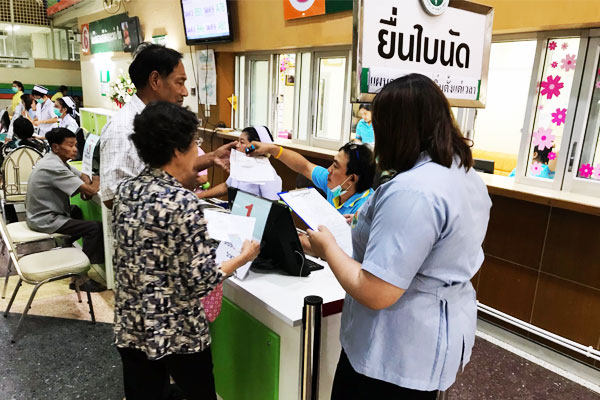
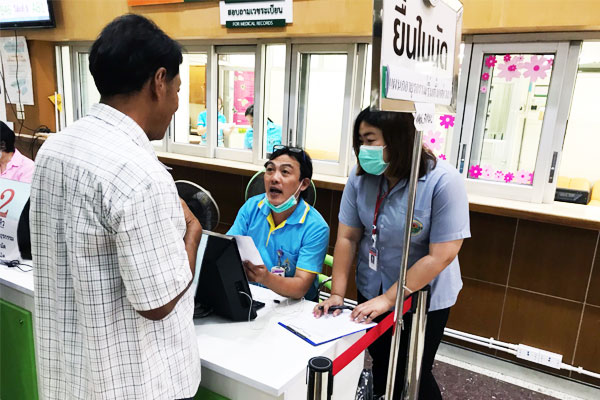
ผลการวิจัย : ผู้ป่วยต่างด้าวที่มารับการรักษา ณ โรงพยาบาลพหลพลพยุหเสนา ส่วนใหญ่เป็นคนต่างด้าวที่อาศัยอยู่ประจำ กำลังรอพิสูจน์สถานะ อาศัยอยู่ในบ้านนายจ้าง หรือมีบ้านของตนเอง และมีรายได้ มีอายุเฉลี่ย 34.2 ปี และมีสถานภาพสมรส ร้อยละ 69.4 โรคจำแนกตาม ICD-10 ของผู้ป่วยนอก และผู้ป่วยใน 5 อันดับ คือ ผู้ป่วยนอก อันดับที่ 1 การตั้งครรภ์ การคลอด และระยะหลังคลอด (O00-O99) ร้อยละ 15.3 รองลงมา คือ กลุ่มโรคของระบบย่อยอาหาร (K00-K93) คิดเป็นร้อยละ 11.7 กลุ่มโรคของระบบสืบพันธุ์ และระบบปัสสาวะ (N00-N99) คิดเป็นร้อยละ 11.2 กลุ่มโรคของระบบหายใจ (J00-J99) คิดเป็นร้อยละ 8.5 และกลุ่มโรคของระบบกล้ามเนื้อโครงร่าง และเนื้อเยื่อเกี่ยวพัน (M00-M99) คิดเป็นร้อยละ 8.0 ตามลำดับ ผู้ป่วยใน อันดับที่ 1 กลุ่มการบาดเจ็บ การเป็นพิษ และอุบัติเหตุ (S00-T98) คิดเป็นร้อยละ 30.8 รองลงมา คือ กลุ่มโรคของระบบหายใจ (J00-J99) คิดเป็นร้อยละ 12.1 ถัดมา คือ การตั้งครรภ์ การคลอด และระยะหลังคลอด (O00-O99) ร้อยละ 11.2 กลุ่มโรคติดเชื้อ และโรคปรสิตบางโรค (A00-B99) คิดเป็นร้อยละ 9.3 และกลุ่มโรคของระบบไหลเวียนโลหิต (I00-I99) คิดเป็นร้อยละ 6.5 ตามลำดับ
เมื่อแบ่งตามฝ่ายการแพทย์จากผู้ป่วยนอก จำนวน 412 ราย แผนกอายุกรรมสูงสุด คิดเป็นร้อยละ 35.7 รองมา คือ แผนกหญิงตั้งครรภ์ คิดเป็นร้อยละ 14.6 สำหรับผู้ป่วยใน จำนวน 107 ราย อันดับ 1 คือ แผนกอายุกรรม คิดเป็นร้อยละ 28.0 รองมา คือ แผนกกุมารเวชกรรม คิดเป็นร้อยละ 18.8 ทั้งนี้ค่ารักษาเมื่อคิดตามระบบต้นทุนของโรงพยาบาล หรือการคำนวน โดยใช้ค่า Adjusted HITAP ปี 2560 ของผู้ป่วยนอกไม่ต่างกัน ดังนั้นข้อมูลจึงใช้เป็นค่ารักษาอ้างอิงของโรงพยาบาลเป็นหลัก
กลุ่มโรคของผู้ป่วยนอกที่มีค่ารักษาเฉลี่ยสูงที่สุด 5 อันดับแรก ได้แก่ อันดับหนึ่ง คือ กลุ่มโรคมะเร็ง, กลุ่มอุบัติเหตุ บาดเจ็บ, กลุ่มเด็กทารก, กลุ่มโรคไม่ติดต่อเรื้อรัง และกลุ่มนรีเวชกรรม คิดเป็นมูลค่า 57,689 บาท, 48,875 บาท, 36,040 บาท, 18,459 บาท และ 18,179 บาท ตามลำดับ โดยมีจำนวนเปอร์เซ็นต์ของค่ารักษาที่ผู้ป่วยนอกจ่ายเองสูงที่สุด คือ กลุ่มนรีเวชกรรม ตามลำดับ โดยมีต้นทุนของผู้ป่วยในตามราคา HITAP2560 เฉลี่ยต่อรายคิดเป็นมูลค่า 24,646 บาท และค่ารักษาอิงราคาโรงพยาบาลเฉลี่ยต่อรายคิดเป็นมูลค่า 26,810 บาท ซึ่งใกล้เคียงกัน
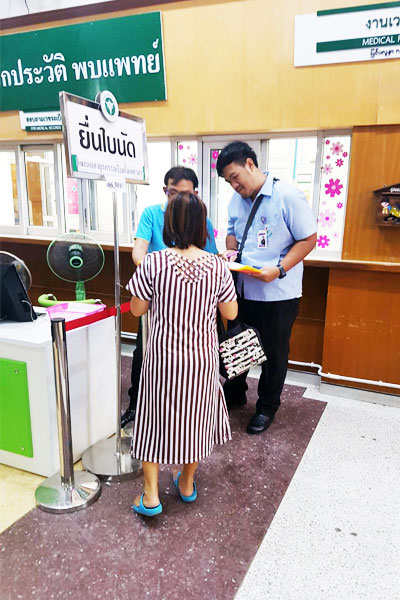
กลุ่มโรคที่มีค่ารักษาเฉลี่ยสูงที่สุด 5 อันดับแรก ของผู้ป่วยใน ได้แก่ อันดับหนึ่ง คือ กลุ่มโรคติดต่อ รองมา คือ กลุ่มผู้ป่วยอุบัติเหตุ บาดเจ็บ, กลุ่มโรคอื่น ๆ, กลุ่มโรคเรื้อรัง และกลุ่มโรคมะเร็ง ค่ารักษามีมูลค่า 50,053 บาท, 45,769 บาท, 33,336 บาท, 31,494 บาท และ 20,786 บาท ตามลำดับ
จากการสนทนากลุ่มได้ข้อเสนอแนะดังนี้ ผู้ป่วยต่างด้าวควรจะต้องแบ่งตามพื้นที่ทางภูมิศาสตร์ และแยกการบริหารจัดการผู้ป่วยต่างด้าวตามภูมิประเทศที่ชาวต่างด้าวมาอยู่อาศัยเป็น 2 ประเภท ได้แก่ ประเภทอยู่แถบจังหวัดชายแดนไทย-พม่า ได้แก่ จังหวัดกาญจนบุรี จังหวัดตาก เป็นต้น และประเภทที่เป็นกลุ่มวัยทำงาน เช่น จังหวัดสมุทรสาคร หรือเมืองใหญ่ ๆ เป็นต้น
โครงการจึงเสนอให้มีความชัดเจนของนโยบายในการจำหน่ายบัตรสุขภาพ, เสนอให้มีการใช้สิทธิในกรณีเกิดเหตุฉุกเฉิน อุบัติเหตุ นอกเขตพื้นที่ รวมถึงการใช้สิทธิของบัตรประกันสุขภาพในกรณีย้ายพื้นที่ และเสนอให้มีการทำให้เกิดสิทธิเหมือนประกันสังคม ในด้านชุดสิทธิประโยชน์ของกลุ่มหญิงตั้งครรภ์ และเด็กแรกเกิด เสนอให้มีการครอบคลุมถึงการติดตามหลังคลอด และการให้วัคซีนเด็กตามนโยบายแห่งชาติ รวมถึงการคิดคำนวณค่าบัตรประกันสุขภาพต่าง ๆ เพื่อให้ต้นทุนเป็นปัจจุบัน ในกรณีเรื่องการรักษา การเบิกจ่ายของผู้ป่วยต่างด้าวที่มีค่าใช้จ่ายสูง เสนอว่าควรจะมีการปรับตัวเลขที่สามารถเบิกจ่ายได้จากส่วนกลาง โดยลดค่าน้ำหนักสัมพัทธ์ (Relative Weight) ที่โรงพยาบาลสามารถเบิกคืนได้
การนำไปใช้ประโยชน์ : ได้ส่งรายงานฉบับสมบูรณ์ และคู่มือองค์ความรู้ แด่สำนักงานคณะกรรมการวิจัยแห่งชาติแล้ว เพื่อเผยแพร่ต่อไป
การติดต่อ :
ศ.พญ.พรรณี ปิติสุทธิธรรม
คณะเวชศาสตร์เขตร้อน มหาวิทยาลัยมหิดล
+66 2 643 5599
Medical and Economic Burden of Healthcare Services for Immigrants at Phaholpolpayuhasena Hospital, Kanchanaburi
Vaccine Trial Centre, Faculty of Tropical Medicine, Mahidol University
Title :
Medical and Economic Burden of Healthcare Services for Immigrants at Phaholpolpayuhasena Hospital, Kanchanaburi
Researchers :
1.) Punnee Pitisuttithum (Faculty of Tropical Medicine, Mahidol University)
2.) Rakpong Wiangcharoen (Paholpolpayuhasena Hospital)
3.) Chuenrutai Yeekian (Queen Savang Vadhana Memorial Hospital)
4.) Pornsawan Attavinijtrakarn (Paholpolpayuhasena Hospital)
5.) Somjet Laoleukiet (Paholpolpayuhasena Hospital)
6.) Pratap Singhasivanon (Faculty of Tropical Medicine, Mahidol University)
7.) Yot Teerawattananon (The Health Intervention and Technology Assessment Program (HITAP))
8.) Rapeepong Suphanchaimat (The International Health Policy Program (IHPP))
Background : Phaholpolpayuhasena Hospital, Kanchanaburi Province, is a provincial hospital under the Ministry of Public Health, which provides healthcare services to Myanmar migrant patients. This study aimed to estimate the medical burden and the related public-health services for migrant patients seeking care at Phaholpolpayuhasena Hospital, including the disease categories leading to the healthcare needs of migrant patients in Thailand.
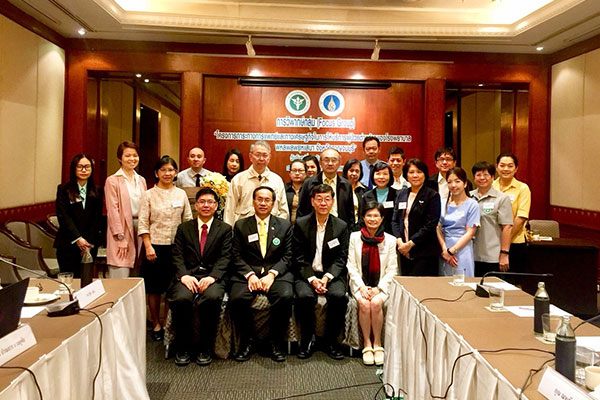
Methodology : This study collected data for medical services provided to Myanmar patients at Phaholpolpayuhasena Hospital including basic demographics, illness information, socio-economic characteristics, and quality of life, and medical data. The data were drawn for 412 outpatient and 107 inpatient records. The total direct and indirect medical costs were calculated. Outpatient costs included all expenses per patient: included hospitalization during the 1 year October 1, 2016 to September 30, 2017. The study results, then were used for focus-group discussions among policy stakeholders, including representatives of the Department of Health Service Support, National Health Security Office, the National Health Insurance Office, Migrant Workers Fund, Samut Sakhon Hospital, and Krathumbaen Hospital.
Results : Most migrant patients seeking health care at Phaholpolpayuhasena Hospital were likely to live permanently in Thailand, awaiting approval of their migrant status. They lived at the employer’s house, or had their own house and income; the average age was 34.2 years; 69.4% were married. The five most common diseases (as classified by ICD-10) among the outpatients were pregnancy, childbirth and the puerperium (15.3%); diseases of the digestive system (11.7%); diseases of the genitourinary system (11.2%); diseases of the respiratory system (8.5%); and the diseases of musculoskeletal system & connective tissue (8.0%). The 5 most common disease (as classified by ICD-10) among inpatients were injury, poisoning & consequences of external causes (30.8%); diseases of the respiratory system (12.1%); pregnancy, childbirth & the puerperium (11.2%); infectious & parasitic diseases except HIV (9.3%); and diseases of the circulatory system (6.5%).
When the total 412 outpatients were classified by medical department, the Department of Medicine was highest (35.7%), followed by the ANC Department (14.6%). Among the 107 inpatients, the Department of Medicine (28.0%) was highest, followed by the Department of Pediatrics (18.8%). The treatment cost according to the hospital cost or calculated by adjusted HITAP2560 outpatient cost were consistent.
The top 5 highest medical costs among outpatients classified by clinical disease group, were as follows, respectively: cancer (57,689 Baht), trauma (48,875 Baht), newborn (36,040 Baht), NCD (18,459 Baht), and obstetrics (18,179 Baht). Of the clinical disease groups, the percentage of medical costs paid by the patient was highest for obstetrics. The average medical costs per inpatient by HITAP2560 and hospital-based calculation showed little difference, at 24,646 Baht and 26,810 Baht, respectively.
The top 5 highest medical costs among inpatients, classified by clinical disease group, were Communicable Diseases (50,053 Baht), Trauma (45,769 Baht); Other diseases (33,336 Baht); Chronic infections (31,494 Baht); and Cancer (20,786 Baht).
The focus group discussions elicited the following suggestions: migrant patients should be classified differently according to geographical area. Thai-Myanmar border residents, such as those living in Kanchanaburi and Tak provinces, and workers, such as those living in Samut Sakhon Province or other city etc.
The project outcome suggests some options that the policy on healthcare cards, offering access to emergency medical treatment, accidents outside the geographic perimeter, including the use of health insurance care benefits when relocating. In addition, the similar benefits as social security should be offered. The benefit package for pregnancy and newborns include postpartum follow-up and child vaccinations, according to government policy, and re-calculating the cost of health insurance cards, to update the cost. In terms of medical care, the reimbursement cost of migrant patients with high expenses should be adjusted by reducing the relative weight.
Key Contact Person :
Prof.Dr.Punnee Pitisuttithum
Faculty of Tropical Medicine, Mahidol University
+66 2 643 5599
{:}