
การพัฒนาโปรแกรมส่งเสริมทักษะสมองการรู้คิดเชิงบริหาร ผ่านกิจกรรมบูรณาการประสาทสัมผัสในเด็กปฐมวัย
สถาบันแห่งชาติเพื่อการพัฒนาเด็กและครอบครัว มหาวิทยาลัยมหิดล


{:th}
การพัฒนาโปรแกรมส่งเสริมทักษะสมองการรู้คิดเชิงบริหาร ผ่านกิจกรรมบูรณาการประสาทสัมผัสในเด็กปฐมวัย
สถาบันแห่งชาติเพื่อการพัฒนาเด็กและครอบครัว มหาวิทยาลัยมหิดล
ผลงานวิจัย :
การพัฒนาโปรแกรมส่งเสริมทักษะสมองการรู้คิดเชิงบริหาร ผ่านกิจกรรมบูรณาการประสาทสัมผัสในเด็กปฐมวัย
ผู้วิจัย :
ดร.นุชนาฎ รักษี และคณะผู้วิจัย
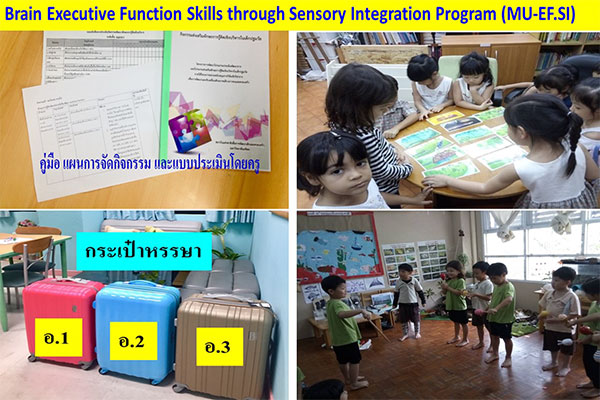
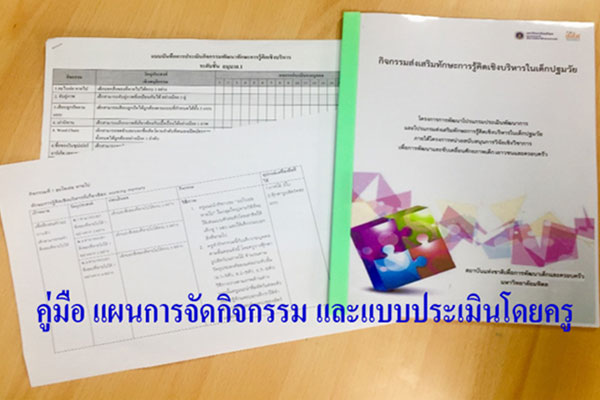
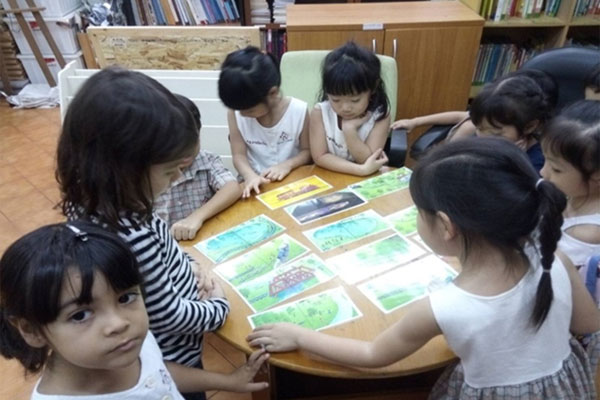
ยุทธศาสตร์การศึกษาของชาติ เน้นการพัฒนาศักยภาพเด็กให้มีทักษะในศตวรรษที่ 21 ที่เด็กต้องมี คือ มีความรู้พื้นฐานที่ใช้ในชีวิตประจําวัน, มีสมรรถนะขีดความสามารถในการจัดการกับปัญหาที่ซับซ้อน และสามารถรับมือกับสภาพแวดล้อมที่เปลี่ยนแปลงได้ รวมทั้งมีทักษะการคิดวิเคราะห์ การสื่อสาร การทำงานเป็นทีมร่วมกับผู้อื่น และความคิดสร้างสรรค์นั้น มีความสัมพันธ์กับทักษะการคิดเชิงบริหาร (Brain Executive Function – EF) การคิดขั้นสูงเกี่ยวกับกระบวนการทางสมองที่นำความจำจากประสบการณ์ในอดีตมาเชื่อมต่อกับสถานการณ์ปัจจุบัน เพื่อเป็นข้อมูลในการตัดสินใจ วางแผน การจัดลำดับความสำคัญ การริเริ่มลงมือทำงาน การยืดหยุ่น และปรับเปลี่ยนเพื่อแก้ปัญหาด้วยวิธีใหม่ ๆ และการควบคุมยับยั้งอารมณ์ เพื่อให้บรรลุเป้าหมายที่กำหนดไว้ หรือทำกิจกรรมได้สำเร็จตามที่ตั้งไว้ การศึกษาครั้งนี้ จึงมีวัตถุประสงค์เพื่อพัฒนาโปรแกรมส่งเสริมทักษะการคิดเชิงบริหาร ผ่านกิจกรรมบูรณาการประสาทสัมผัสจำนวน 20 กิจกรรม (MU-EF.SI) แก่เด็กปฐมวัย ในช่วงอายุ 3 – 6 ปี จากการศึกษานำร่องในการใช้โปรแกรม MU-EF.SI ส่งเสริมเด็กเป็นระยะเวลา 8 สัปดาห์ (32 ชั่วโมง) และมีการประเมินทักษะการคิดเชิงบริหาร ด้วยแบบประเมินทักษะการคิดเชิงบริหารฉบับของมหาวิทยาลัยมหิดล (MU-EF) ทั้งก่อนและหลังการส่งเสริมแล้วนำผลการประเมินมาทดสอบ Paired t – test เพื่อเปรียบเทียบความแตกต่างของคะแนนเฉลี่ยก่อนและหลังการใช้โปรแกรมส่งเสริม เพื่อติดตามการเปลี่ยนแปลงทักษะการคิดเชิงบริหารของเด็ก พบว่าระดับพัฒนาการด้านการคิดเชิงบริหาร (Executive Function) ของภาพรวม ในระดับดีมากเพิ่มขึ้นจากร้อยละ 46.7 เป็นร้อยละ 70.2 และพบว่าพัฒนาการคิดเชิงบริหารด้านความจำขณะทำงานเพิ่มขึ้นจาก ร้อยละ 57.4 เป็นร้อยละ 76.6 ส่วนพัฒนาการคิดเชิงบริหารด้านการวางแผนจัดการเพิ่มขึ้นจาก ร้อยละ 52.3 เป็นร้อยละ 68.1 คณะผู้วิจัยหวังว่าการศึกษานำร่องครั้งนี้โปรแกรม MU-EF.SI จะช่วยส่งเสริมทักษะการคิดเชิงบริหารในเด็กปฐมวัย และเป็นวัคซีนการยับยั้งชั่งใจต่อไปในอนาคต และนำไปสู่การขยายผลต่อไป เนื่องจากทักษะการคิดเชิงบริหารมีความสำคัญต่อความสำเร็จในด้านการเรียน การทำงาน และความสุขในชีวิตท่ามกลางโลกในศตวรรษที่ 21
การนำไปใช้ประโยชน์ : พ่อ-แม่ ผู้ดูแลเด็ก และหน่วยงานด้านการศึกษา สามารถนำโปรแกรมไปเพื่อพัฒนาทักษะสมองทักษะการคิดเชิงบริหารในเด็กปฐมวัย


แหล่งทุนสนับสนุนการวิจัย : สำนักงานกองทุนสนับสนุนการสร้างเสริมสุขภาพ (สสส.)
การติดต่อ :
ดร.นุชนาฎ รักษี
สถาบันแห่งชาติเพื่อการพัฒนาเด็กและครอบครัว มหาวิทยาลัยมหิดล
+66 2 441 0602 – 8 ต่อ 1406
nootchanart.ruk@mahidol.edu
{:}{:en}
Program Development of Brain Executive Function Skills through Sensory Integration Activities Intervention Program in Early Childhood
National Institute for Child and Family Development, Mahidol University
Title :
Program Development of Brain Executive Function Skills through Sensory Integration Activities Intervention Program in Early Childhood
Researchers :
Dr.Nootchanart Ruksee and Co – Investigator of National Institute for Child and Family Development, Mahidol University and Chiang Mai University
The National Education Strategy are expected to promote child potential and to equip children with the 21st century skills, especially foundational literacies, competencies and character qualities skill including of critical thinking, communication, collaboration, and creativity. In order to support the children to achieve the skills required to succeed in the 21st century, the national education should be reformed. Based on the brain, mind, and behavioral research, the 21st century skills are related to brain executive function (EF), a higher-order thinking of brain processes that draw previous experiences relevant to a current situation for working memory, planning, prioritizing, initiating, making a decision, shifting for solving problems, inhibitory control of emotions to achieve a goal-directed behavior. The objective of this study was to develop brain executive function skills through sensory integration program (MU-EF.SI) consist of 20 activities in early childhood 3-6 years for 32 hours. After 32 hours of working memory, inhibitory control and cognitive flexibility skill intervention, the early childhood was assessed by Executive Function Assessment in Mahidol University version (MU-EF). The result showed that overview of executive function skills in excellent level increased from 46.7 % to 70.2 %. The executive function in working memory subscale showed that this subscale increased from 57.4 % to 76.6 %. Furthermore, the executive function in planning and organization subscale showed that this subscale increased from 52.3 % to 68.1 %. We hope that the MU-EF.SI program from this preliminary study will promote EF skills in early childhood for vaccination in the future and extend to another area. Because of EF skills are also crucial to school performance, future career, happiness and life success in the 21st century world.
Applied Research Project to Usage : Parent, caregiver and education organization can use this program to promoting brain executive function skill in early childhood.
Funding Agency : Thai Health Promotion Foundation
Key Contact Person :
Dr.Nootchanart Ruksee
National Institute for Child and Family Development, Mahidol University
+66 2 441 0602 – 8 ext. 1406
nootchanart.ruk@mahidol.edu
{:}