
คุณภาพของภาพจากอุปกรณ์เชื่อมต่อกล้องส่องจมูก กับโทรศัพท์เคลื่อนที่แบบใหม่ เมื่อเทียบกับอุปกรณ์เชื่อมต่อกล้องส่องจมูกแบบดั้งเดิม
คณะแพทยศาสตร์โรงพยาบาลรามาธิบดี มหาวิทยาลัยมหิดล


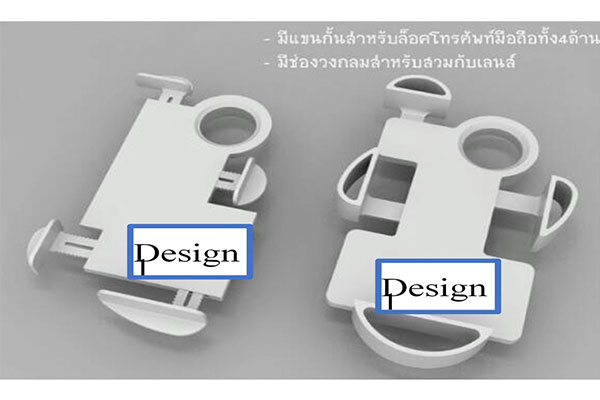
{:th}
คุณภาพของภาพจากอุปกรณ์เชื่อมต่อกล้องส่องจมูก กับโทรศัพท์เคลื่อนที่แบบใหม่ เมื่อเทียบกับอุปกรณ์เชื่อมต่อกล้องส่องจมูกแบบดั้งเดิม
คณะแพทยศาสตร์โรงพยาบาลรามาธิบดี มหาวิทยาลัยมหิดล
โครงการวิจัย:
คุณภาพของภาพจากอุปกรณ์เชื่อมต่อกล้องส่องจมูก กับโทรศัพท์เคลื่อนที่แบบใหม่ เมื่อเทียบกับอุปกรณ์เชื่อมต่อกล้องส่องจมูกแบบดั้งเดิม
ผลงานวิจัย:
คุณภาพของภาพจากอุปกรณ์เชื่อมต่อกล้องส่องจมูก กับโทรศัพท์เคลื่อนที่แบบใหม่ เมื่อเทียบกับอุปกรณ์เชื่อมต่อกล้องส่องจมูกแบบดั้งเดิม
ผู้วิจัย:
พญ.นรินธร ศักดิ์ศรียุทธนา (ภาควิชาโสต ศอ นาสิกวิทยา คณะแพทยศาสตร์โรงพยาบาลรามาธิบดี)
ผศ. นพ.ธงชัย พงศ์มฆพัฒน์ (ภาควิชาโสต ศอ นาสิกวิทยา คณะแพทยศาสตร์โรงพยาบาลรามาธิบดี)
นพ.ปวิน นำธวัช (ภาควิชาระบาดวิทยา คณะแพทยศาสตร์โรงพยาบาลรามาธิบดี)
ในปัจจุบัน กล้องส่องจมูกเป็นอุปกรณ์ที่ใช้กันอย่างแพร่หลายในการวินิจฉัยโรคทางไซนัส โดยกล้องส่องจมูก มีหลายรูปแบบ ได้แก่ 1. กล้องส่องจมูกที่มีเฉพาะเลนส์ (Eyepiece Endoscope) 2. กล้องส่องจมูกที่สามารถต่อเข้ากับคอมพิวเตอร์(Computer – based Nasal Endoscope) 3. กล้องส่องจมูกแบบที่มีหน้าจอติดกับอุปกรณ์ (Camera System Nasal Endoscope) ชนิดที่นิยมที่สุด คือ กล้องส่องจมูกที่สามารถต่อเข้ากับคอมพิวเตอร์(Computer – based Nasal Endoscope) แต่อุปกรณ์นี้มีข้อเสีย ได้แก่ ราคาแพง และเคลื่อนย้ายไม่สะดวก ในทางกลับกัน อุปกรณ์แบบดั้งเดิม (Eyepiece Endoscope) ราคาถูก และสามารถเคลื่อนย้ายได้ แต่มีข้อเสีย คือ แพทย์ผู้ตรวจจะต้องมองผ่านเลนส์ด้วยตาโดยตรง ไม่สามารถดูภาพร่วมกับแพทย์ผู้อื่นได้ เนื่องด้วยเทคโนโลยีที่ทันสมัยมากขึ้น จึงมีการพัฒนาอุปกรณ์แบบที่สาม (Camera System Nasal Endoscope) ซึ่งสามารถเคลื่อนย้ายได้ และบันทึกภาพได้ แต่เนื่องจากราคาที่ค่อนข้างสูง จึงยังไม่เป็นที่นิยมมากนัก
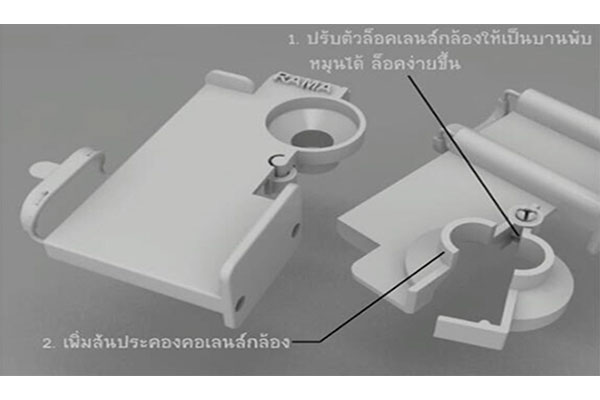
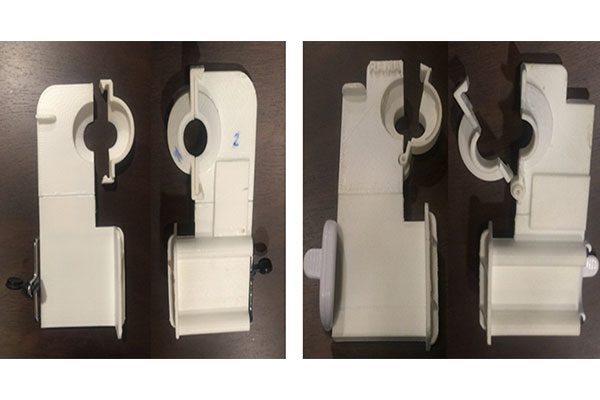
วัตถุประสงค์ ระยะแรก เพื่อพัฒนาอุปกรณ์เชื่อมต่อกล้องส่องจมูกกับโทรศัพท์มือถือ (Smartphone – based Nasal Endoscope) โดยออกแบบ และผลิตจากการพิมพ์สามมิติ ระยะที่สอง เพื่อเปรียบเทียบภาพที่ได้จากการส่องกล้องจมูกผู้ป่วย ในอุปกรณ์ทั้ง 2 ประเภท และเพื่อวัดระดับความพึงพอใจของแพทย์ และผู้ป่วย เปรียบเทียบระหว่างอุปกรณ์เชื่อมต่อกล้องส่องจมูกกับโทรศัพท์มือถือ กับกล้องส่องจมูกที่มีเฉพาะเลนส์ (Eyepiece Endoscope) และที่สามารถต่อเข้ากับคอมพิวเตอร์ (Computer – based Nasal Endoscope)
วิธีการศึกษา พัฒนาอุปกรณ์ที่มีลักษณะเฉพาะ เพื่อเชื่อมต่อกล้องส่องจมูก และโทรศัพท์มือถือ (Smartphone – based Nasal Endoscope) จากนั้นส่องกล้อง และถ่ายภาพจมูกผ่านโทรศัพท์มือถือ และคอมพิวเตอร์ (computer – based Nasal Endoscope) ในผู้ป่วยทั้งหมด 15 ราย จากนั้นให้แพทย์โสต ศอ นาสิก 19 ท่าน ทำแบบประเมินวัดคุณภาพของภาพทั้งหมด 30 ภาพ
ผลการศึกษา พบว่าคะแนนความเจ็บปวดของผู้ป่วยที่ใช้อุปกรณ์ทั้งสองแบบ ไม่แตกต่างกันอย่างมีนัยสำคัญทางสถิติ คุณภาพของภาพเมื่อเปรียบเทียบระหว่างสองอุปกรณ์ ไม่แตกต่างกันอย่างมีนัยสำคัญทางสถิติในทุกหัวข้อ ยกเว้น ด้านความสว่างของภาพ ซึ่งอุปกรณ์ใหม่มีคะแนนสูงกว่า นอกจากนี้ คะแนนเฉลี่ยความพึงพอใจของแพทย์ในอุปกรณ์ใหม่ ด้านการเคลื่อนย้ายอุปกรณ์ และความสะดวกในการถ่ายภาพ รวมถึงส่งต่อภาพเพื่อปรึกษา สูงกว่าอุปกรณ์ดั้งเดิม
สรุป พบว่าความพึงพอใจของแพทย์ผู้ใช้อุปกรณ์เชื่อมต่อโทรศัพท์มือถือกับกล้องส่องจมูก ด้านความสะดวกในการเคลื่อนย้ายอุปกรณ์ ความสะดวกในการถ่ายภาพ และส่งต่อภาพ มากกว่าอุปกรณ์ดั้งเดิม นอกจากนี้ ยังพบว่าคุณภาพของภาพจากอุปกรณ์ใหม่ ไม่แตกต่างจากอุปกรณ์เดิมอย่างมีนัยสำคัญ จึงสามารถนำอุปกรณ์ใหม่ดังกล่าวไปใช้งานได้จริง
รางวัลที่ได้รับ:
• รางวัลผลงานวิจัยของแพทย์ประจำบ้านดีเด่น อันดับ 2 งานประชุมราชวิทยาลัยโสต ศอ นาสิกแพทย์แห่งประเทศไทย
การเผยแพร่ผลงาน:
• วารสารหู คอ จมูก และใบหน้า ปีที่ 19 ฉบับที่ 1 : มกราคม – มิถุนายน 2561
การติดต่อ:
ภาควิชาโสต ศอ นาสิกวิทยา
คณะแพทยศาสตร์โรงพยาบาลรามาธิบดี มหาวิทยาลัยมหิดล
+66 2 201 1515
Quality of Images Obtain from a Novel Smartphone – based Nasal Endoscope Recorder and Conventional Nasal Endoscope Recorder
Faculty of Medicine Ramathibodi Hospital, Mahidol University
Project Title:
Quality of Images Obtain from a Novel Smartphone – based Nasal Endoscope Recorder and Conventional Nasal Endoscope Recorder
Research Title:
Quality of Images Obtain from a Novel Smartphone – based Nasal Endoscope Recorder and Conventional Nasal Endoscope Recorder
Researcher (s):
Narinthorn Saksriyuttana, M.D. (Department of Otolaryngology, Faculty of Medicine Ramathibodi Hospital)
Asst.Prof.Thongchai Bhongmakapat, M.D. (Department of Otolaryngology, Faculty of Medicine Ramathibodi Hospital)
Pawin Numthawaj, M.D. Ph.D. (Section for Clinical Epidemiology and Biostatistics, Faculty of Medicine Ramathibodi Hospital)
Background Nasal endoscopy is widely used in the diagnosis and investigation of a variety of paranasal diseases. Computer-based nasal endoscope is often used to record images capture by the nasal endoscope. However, the instrument is relatively expensive and large therefore limiting the mobility of users. With advances in mobile telephone technology, an endoscopic smartphone-based camera system is possible to be developed.
Objective The first phase of this study was to develop a prototype of smartphone-based nasal endoscopy recorder using a specialized adapter to connect between a smartphone and a nasal endoscope. The second phase of this study was to evaluate the quality of this smartphone-based nasal endoscope, the patient and doctors’ satisfactions, as compared to that of a conventional computer-based nasal endoscope and without using camera (eyepiece).
Methods We invented a specialized adaptor to connect the nasal endoscope and smartphone to create smartphone-based nasal endoscope. The prototype was designed and assembled utilizing 3D printing technology, which enables easy reproduction and modification. Then, we capture nasal endoscope images on fifteen patients through both computer-based nasal endoscope and smartphone-based nasal endoscope. Patients rated the pain score from both techniques. Nineteen otolaryngology staffs and residents blinded to the technique then rate the quality of thirty images from both types of nasal endoscope.
Results We found no significant difference in the patients’ pain score. Similarly, we found that the image quality ratings between smartphone-based and computer-based nasal endoscope has no statistically significant difference in all topics except illumination and brightness in which smartphone-based nasal endoscope has better scores. Staffs also rated higher satisfaction in portability and sharing-feature.
Conclusions Our finding suggests that smartphone-based nasal endoscope system has higher clinician satisfaction, especially in portability, time required to capture, and sharing feature. Image quality were comparable with conventional computer-based nasal endoscope system, which indicated that the smartphone-based nasal endoscope system may reasonably and practically be used in clinical practice.
Award Grant related to the Project:
• รางวัลผลงานวิจัยของแพทย์ประจำบ้านดีเด่น อันดับ 2 งานประชุมราชวิทยาลัยโสต ศอ นาสิกแพทย์แห่งประเทศไทย
Publishing:
• วารสารหู คอ จมูก และใบหน้า ปีที่ 19 ฉบับที่ 1 : มกราคม – มิถุนายน 2561
Key Contact Person:
Department of Otolaryngology
Faculty of Medicine Ramathibodi Hospital, Mahidol University
+66 2 201 1515